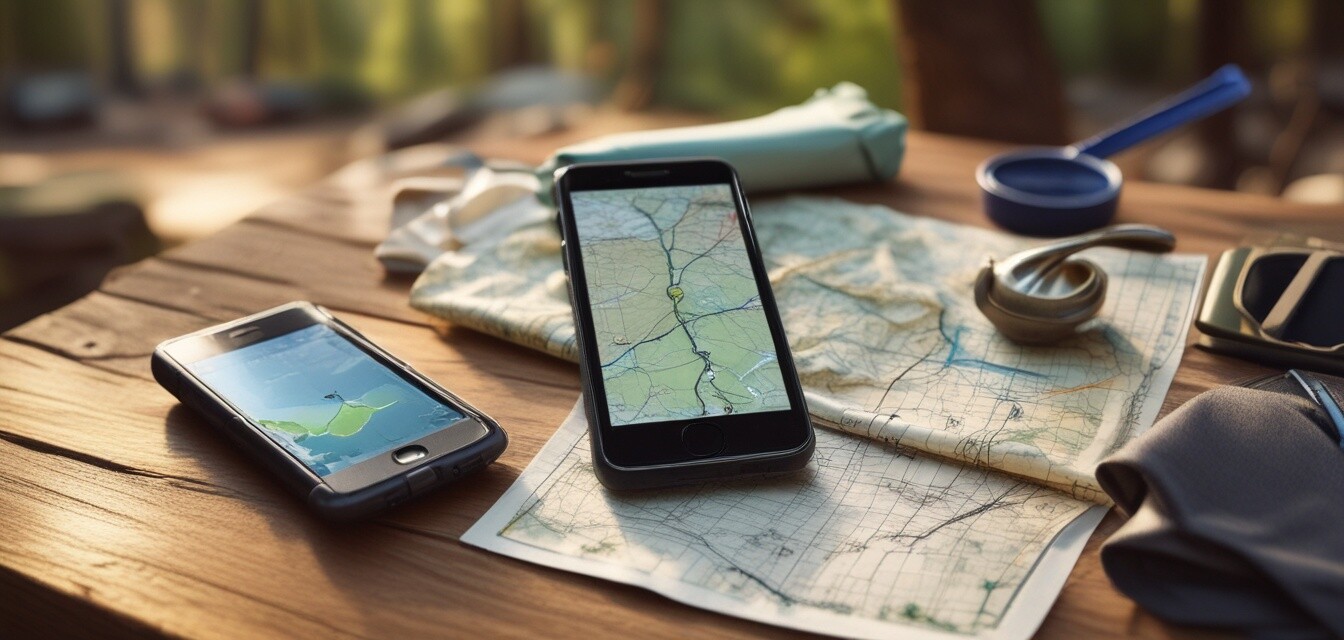
What's new in navigation tools for new campers
Key Takeaways
- 2025 brings innovative navigation tools, ideal for beginner campers.
- Apps combined with traditional methods enhance outdoor navigation.
- Understanding GPS trends can prepare you for adventurous camping trips.
- Training in using new tools ensures safety and confidence in the wilderness.
As camping enthusiasts continue to embrace the great outdoors, new and innovative navigation tools are emerging, making it easier for beginner campers to explore safely and effectively. Whether you’re paving your way through dense forests or navigating open terrains, understanding the latest advancements in navigation is crucial. In this article, we will explore the latest navigation tools and applications of 2025 that cater specifically to newcomers in the camping world.
The rise of smart navigation tools
Gone are the days when campers relied solely on traditional maps and compasses. With the rapid technological advancements, smart navigation tools have become prevalent among all levels of campers. These tools not only enhance navigation but also provide additional features such as offline access, real-time tracking, and even safety alerts.
Types of navigation tools
| Type | Description | Best Use |
|---|---|---|
| GPS Devices | Handheld devices designed for outdoor navigation with features like waypoints and routes. | Long hikes and rough terrains. |
| Smartphone Apps | Applications that provide maps, GPS tracking, and route planning. | Day trips and casual camping. |
| Traditional Maps | Printed maps available for specific regions, which are essential for backup. | All camping situations. |
| Wearable Navigation | Smartwatches equipped with navigation features and route tracking. | Active hikers or adventurous campers. |
Exploring the latest navigation apps
The landscape of outdoor navigation apps is constantly evolving. Here's a brief overview of some of the latest categories of apps that are useful for new campers in 2025:
- Trail Guide Apps: These apps provide detailed trail information, including difficulty levels, terrain types, and nearby campsites.
- Offline Maps: Many applications now allow users to download maps for offline use, ensuring that you can navigate even in remote locations without cell service.
- Community-driven Navigation: Some apps utilize user-generated data to report real-time hazards or points of interest on the trails.
- Weather Integration: This feature allows campers to receive updates on the environment, crucial for navigating safely in changing conditions.
Features to look for in navigation tools
When choosing navigation tools, consider the following features to ensure you find one that best fits your camping plans:
- Ease of use: Ideal for beginners, tools should have a simple interface.
- Offline functionality: Look for tools that work without cell service.
- Battery life: Essential for extended trips away from power sources.
- Durability: Especially important for outdoor use, choose tools that can withstand rough conditions.
Training and education resources
Even with the best tools at your disposal, knowing how to use them effectively is essential. Many resources are available for new campers that focus on navigation skills:
- Camping Buying Guides: A great place to find recommendations for navigation tools and other essential gear.
- Lighting and Navigation Products: Browse through the latest gear aimed at enhancing your outdoor adventures.
- Online tutorials: Websites and videos that offer step-by-step guidance on using GPS devices and apps.
The importance of combining old and new methods
While technology is advancing, it is crucial for new campers to remember that traditional navigation methods, such as using maps and compasses, should not be overlooked. Combining these methods with modern tools creates a comprehensive navigation strategy that enhances safety and confidence in the wilderness.
Top tips for effective navigation
Beginners' Tips for Navigating the Outdoors
- Practice using your tools before your trip, in a safe environment.
- Always carry a backup map and compass, even when relying on digital tools.
- Familiarize yourself with landmarks and topography to enhance your situational awareness.
- Stay updated on your navigational skills by joining local outdoor activity clubs or workshops.
Pros
- Increased safety through precise navigation.
- Time-efficient planning for camping trips.
- Access to real-time information regarding weather and trail conditions.
Cons
- Over-reliance on technology can lead to a lack of traditional skills.
- Battery dependence can be a downside in remote areas.
- Modern tools can be expensive for beginners.
Conclusion
The camping industry continues to innovate, and 2025 is no exception. With the latest navigation tools at your disposal, beginner campers can gain confidence in their abilities to navigate the wilderness. Embracing a combination of modern technology and traditional methods will help ensure your outdoor adventures are both safe and enjoyable.
Ready to dive deeper into camping gear? Check out our Camping News and Trends section for the latest insights and updates!