10 Tips for Staying Safe While Camping
- Know your location and surrounding environment.
- Always tell someone your plans before going.
- Pack essential safety gear.
- Be prepared for weather changes.
- Practice fire safety and proper food storage.
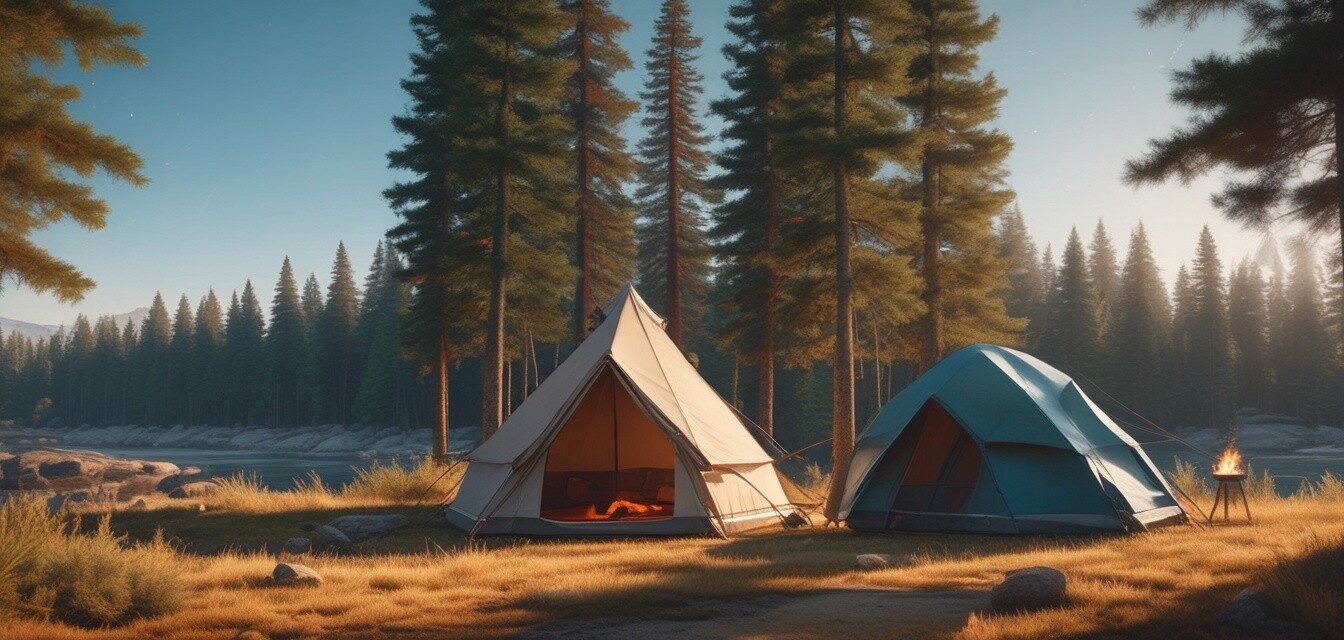
Camping is a wonderful way to reconnect with nature, escape the hustle and bustle of daily life, and create lasting memories. However, as a beginner camper, ensuring your safety while enjoying the great outdoors is paramount. In this guide, we will share essential safety tips and strategies that help you prepare for a safe outdoor adventure. Follow these tips to make your camping experience enjoyable and worry-free.
1. Know your location
Before you set out, research your camping destination. Familiarize yourself with the terrain, climate, and wildlife prevalent in the area. Understanding your campsite's geography can help you navigate it safely. Always carry a map or download offline navigation apps for guidance.
Helpful resources:
2. Inform someone of your plans
Always let a friend or family member know your camping itinerary before you leave. This includes your expected return time and your campsite's location. In case of emergencies, this information can be crucial for rescuers.
3. Pack essential safety gear
Ensure you have the necessary gear for a safe camping trip. Here’s a list of must-have items:
| Safety Gear | Description |
|---|---|
| First Aid Kit | A well-stocked kit should include bandages, antiseptics, and medications |
| Flashlight | Bring extra batteries for visibility during the night |
| Whistle | Can be used for signaling in emergencies |
| Multi-tool or Swiss Army Knife | Essential for various tasks and repairs |
| Emergency blanket | Lightweight and compact, great for insulation |
4. Prepare for weather changes
Weather conditions can change rapidly. Check the forecast before you leave and pack accordingly. Bring layers of clothing to keep warm and dry, particularly during colder nights or unexpected rain. Always have a waterproof layer available.
5. Fire safety procedures
Campfires are a staple of the camping experience, but they require precautions. Follow these safety guidelines:
- Build the fire in a designated fire pit or ring.
- Keep water or sand nearby to extinguish the fire if needed.
- Never leave the fire unattended.
- Ensure the fire is completely out before leaving the site.
6. Proper food storage
Prevent wildlife encounters by storing food safely. Use bear-proof containers when necessary, and never leave food or trash out. Properly seal all food items to avoid attracting animals to your campsite. Remember: ‘Pack it in, pack it out’ is always the best policy.
7. Keep a close eye on children and pets
When camping with children and pets, supervision is essential. Teach kids about their surroundings and share camping safety rules. Always keep pets on a leash to prevent them from wandering off or encountering wildlife.
8. Be mindful of outdoor risks
Understand potential hazards like poison ivy, ticks, and snakes. Wear appropriate clothing, and know how to identify these risks. Check yourself and your companions for ticks after spending time outdoors.
9. Use proper navigation tools
In addition to a reliable map, consider using a compass or GPS device. Familiarize yourself with their usage so you can confidently navigate if you find yourself lost. Always carry a portable power source to keep devices charged.
10. Respect nature and the camping community
Leave no trace behind. Adhere to campground rules, respect wildlife, and maintain a tidy campsite. Not only does this contribute to safety, but it ensures all campers can enjoy the beauty of nature.
Pros
- Enhances the camping experience through safety.
- Builds outdoor confidence.
- Encourages a deeper connection with nature.
Cons
- May require additional planning and preparation.
- Some safety equipment can be costly.
By following these 10 tips, you can ensure a safe and enjoyable camping experience. Preparing adequately helps to prevent potential dangers and to maximize your time spent enjoying the beautiful outdoors.
Tips for beginners
- Choose a campsite with amenities to ease your first experience.
- Travel with experienced campers if possible.
- Take your time to learn essential skills, such as fire building and tent setup.
- Consider joining local camping groups or forums to share experiences and tips.